Journal ·
What happens between us
On duets, encounters and the idea that we become who we are in relation to others.
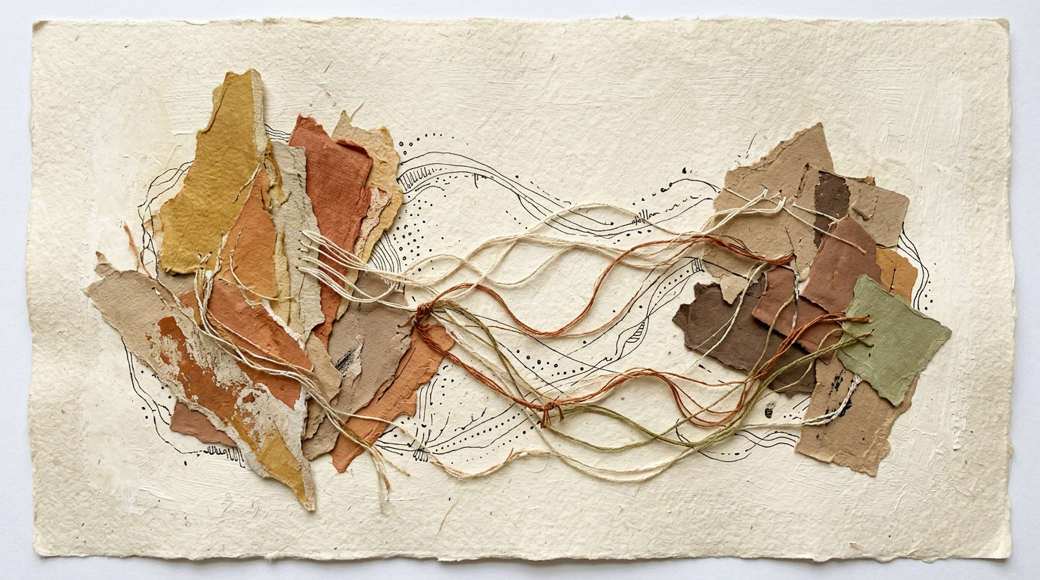
When two voices sing together, something curious happens: the harmony belongs to neither of them. It isn't in the first voice, nor in the second — it arises in the space between them. If one shifts its tone even slightly, everything we hear changes.
I like this image as a way of thinking about the relational perspective in psychotherapy. For a long time it was common to picture psychological suffering as something that exists inside a person, in isolation, waiting to be identified and corrected. The relational approach offers a different starting point: much of what we feel takes shape, and keeps taking shape, in the relationships we live.
What we bring with us
Each of us arrives in relationships carrying a kind of old score. We learn early — often before we have words — what to expect from others, what is safe to show and what is better hidden. At some point, those lessons were clever ways of protecting ourselves. Over time, though, they can turn into repetitions: we keep choosing the same kind of relationship, reacting in the same way, arriving at the same ending.
Recognising these patterns isn't about looking for someone to blame in the past. It's a gesture of curiosity instead: where does this come from? What did it do for me? Does it still?
Therapy as a new duet
In relational psychotherapy, the relationship between the person and the therapist isn't just the setting where the work happens. It is part of the work. It's in that encounter — with its trust, hesitations and missteps — that old patterns can surface, be noticed and, little by little, take on a different shape.
It isn't about learning a new melody all at once. It's about trying out other notes in a safe space: saying what was hard to say, disagreeing without losing the connection, being listened to in a way you weren't used to.
Perhaps that's why change in therapy is rarely sudden. It is more like tuning an instrument — patiently, together, listening closely to what happens between us.